
Creating Optimal Light & Darkness
Want better sleep, daytime alertness, and health? This makes a difference.

Light and darkness are the main signals that set the central circadian rhythm in our brain. Yet the modern lifestyle gives very different light than the natural world does. The color of sunlight actually changes significantly across the day. Morning light has much more of the blue wavelengths, while evening light has more red light. We’ve all seen beautiful sunsets with the lovely golden-pink hues!
As the sun sets, specialized cells in our eyes take in the light change, and signal to the brain that night is approaching. As darkness falls, our intrinsic melatonin starts to rise. That nocturnal melatonin pulse first makes us drowsy, then moves throughout the body signaling that it is night.
Yet in our homes and buildings, the light at night is much more similar to morning light. Full-spectrum or white light bulbs, particularly LED bulbs, along with the screens on our electronic devices and TVs, all give blue light. Exposure to any of these, signals to our body that it is morning, as that artificial light replicates natural morning light. So, at night with artificial light, we are essentially telling our brain and body that it is morning, time to be in an active wake state. Children are particularly sensitive to the sleep disrupting effects of artificial light at night. This can have a profoundly negative impact on our sleep.
Essentially, we are living with Light Deficiency during the day, and Darkness Deficiency at night.
The Light & Darkness Recommendations
In 2022, a team of circadian experts got together, reviewed all the research, and put forth the light and darkness recommendations to promote sleep, wake, and healthy physiology. Building a lifestyle that incorporates these recommendations is doable, and makes a big impact on both our immediate and long-term health. In future articles we’ll go deeper into the benefits of a robust circadian rhythm, for today let’s do it.
Build the Lifestyle
Think of this as four blocks of time: first thing in the morning, throughout the day, evening wind-down, and sleep time. Approach them one-by-one and fine-tune as you go. It may take some experimenting to find what works for you, then repetition until it becomes a seamless part of your lifestyle.
In the Morning
First morning sunlight is the most important light signal. It suppresses melatonin production by the pineal gland, which still may be somewhat active.
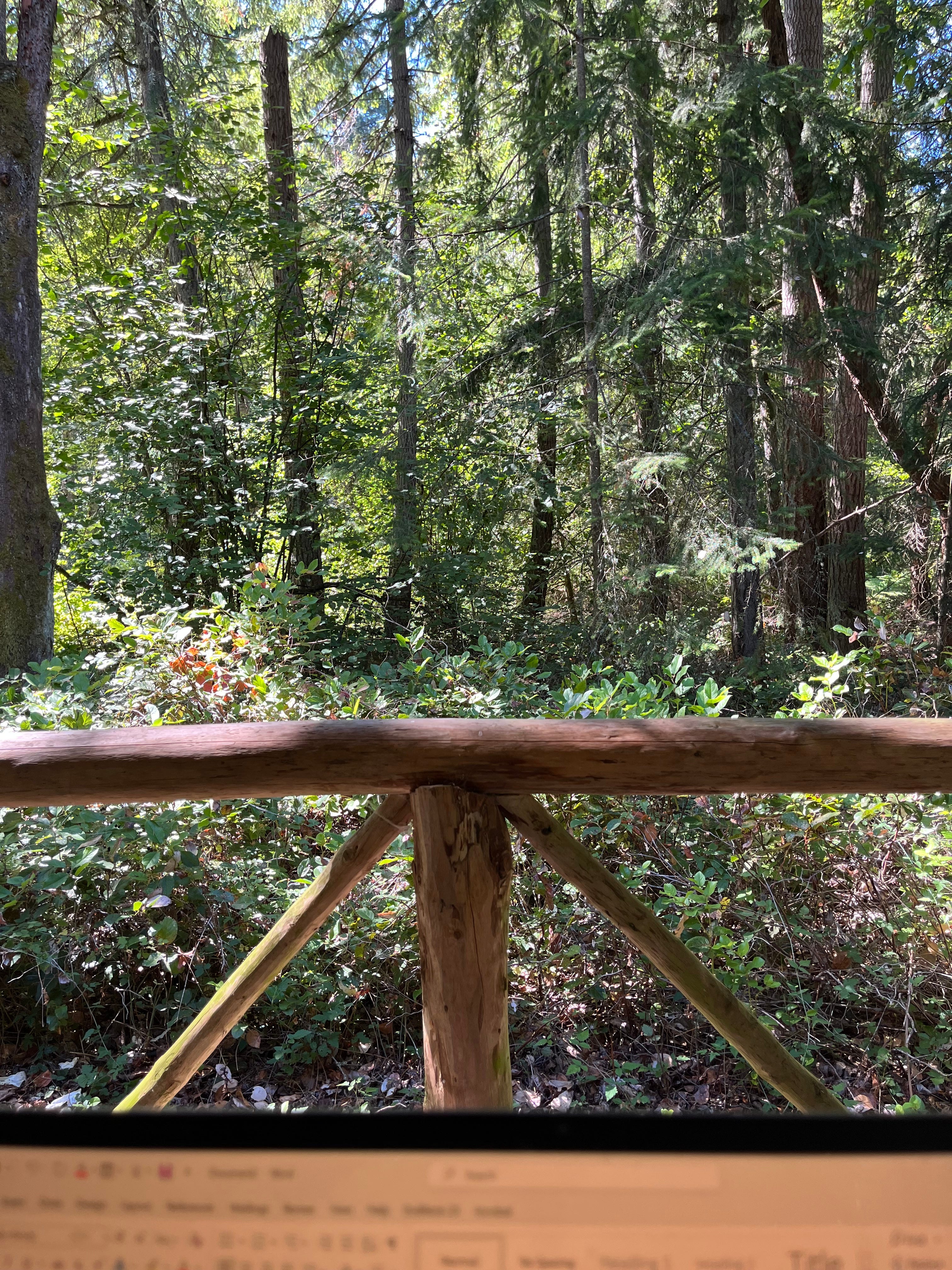
Go outside for 20-30+ minutes of light in the first hour after waking. If this is new for you, or you’re someone who starts the day on task, it can be helpful to figure what you can do. Even taking the laptop or phone outside to start the business day while getting that natural light works. I’ve loved having an ‘outside office’ pre-planned which makes this easy.
Do not use sunglasses at this time. It’s important that the eyes receive that strong cue from morning blue light.
During the Day
During the day get >250 lux of bright light which includes the blue spectrum.
Test the lighting in each place where you sit or work during the day, and increase lighting until it is >250 lux. Use a Lux Meter app on your phone, held at eye level.
Use full-spectrum LED light bulbs during the day.
Every couple hours, go outside for sunlight exposure. Think of these as getting “light snacks.” Just like with exercise snacks, these small blocks can add up for significant impact over the day. I like to link new health habits onto routines that are already happening. For instance, when I walk the dog every couple hours, I make sure to spend the time looking at the sky, and observing the natural elements surrounding us (rather than looking down at the cement or my phone). It can be helpful to put these into your work calendar, or set a timer to remind you.
In the Evening
For 3 hours before bed, get <10 lux of light that does not include blue light. This allows your melatonin to rise, and your body to start switching into restful physiology.
Set a reminder on your phone or in your calendar for 3 hours before bed.
Turn down the lights. Have a special lamp or other lighting especially for evening that is <10 lux. Twinkle lights or a torchiere type lamp with a dim, incandescent style bulb works well. Note LED bulbs suppress melatonin by 80%, incandescent bulbs by 40%, a candle by 2%. We love the soft glow of candlelight in the evening, you can just feel your body relaxing and winding down.
An alternative is to wear blue blocking glasses. It can be a good idea to have a pair for everyone in the household, especially children as they are more sensitive to the negative effects of light at night. Here’s more on how to use Blue Blocking Glasses.
During Sleep Time
Set up the bedroom so that it is dark. Light recommendations are for <1 lux, without the blue spectrum. An easy measure is to hold your hand out at arms length. If you can see your fingers moving, that’s too much light for sleep.
Use blackout shades on all windows, transom windows and skylights.
If that is not possible, wear an eye mask. Tip: A high quality one that does not press on eyelids is more comfortable.
Cover any unnecessary LED indicators so that there is no glow in your bedroom. This includes any electric clock. Adjust the display to ‘Off’, cover it, or turn it to the wall.
If you need to get up in the night, have light that is <10 lux, again without blue. Use a lamp at the bedside which can easily be turned on, or even a flashlight if there is no lamp.
Take Action
If you have a daytime Light Deficiency, and night-time Darkness Deficiency, shifting to these practices for just a few weeks can make a noticeable difference. Try it, and let me know what changes for you!
Sleep well and dream big,
Dr. Catherine
PS. Our next class “How Much Sleep Do I Need?” Identify Your Ideal Sleep Total is coming up. 35% of us don’t get sufficient sleep, which often impacts us more than we realize. If you’d like to figure out exactly how much sleep you do best with, join in on June 21, 1pm PST!
Thank you for these easy to implement tips. I have gotten out of the habit of outdoor light first thing in the morning and I'm going to set that intention to return to that. I have been developing a habit of using the light dimmers in the evening but I think I will do as you suggest and set a timer for this week to remember to start dimming all the lights a few hours before bed.