
Sleep Skills First, Products After (if at all!)
Without the know-how of sleep and circadian practices, all the products in the world will not to work.

Sleep products are big business, generating $21.88 billion worldwide in 2025 (1). But are they getting us good sleep? Some people in the sleep space – coaches, educators, physicians – are all in on products first. But that’s not the best starting place.
I wanted to talk about this today because many, many, people tell me about sleep products they’ve bought, but yet they’re still sleeping poorly. When that happens, the product isn’t addressing the cause of the sleep problem. I wonder “What is going on? What is the root cause? What are the other contributing factors? What solutions are in our control?” A key principle of naturopathic medicine is to empower people with the knowledge to care for themselves. ‘Docere,’ the root of the word doctor, means ‘to teach’. Let’s gain knowledge and skills first.
Random Use of Products
I’m not opposed to all sleep related products, far from it. There are some I personally use every day, and recommend. A few favorites are blue blocking glasses, a good programmable thermostat, black-out blinds, high quality melatonin in different doses for different needs. What I am opposed to is skipping over the diagnostic phase, and the skill building which empowers people to care for themselves and their loved ones while avoiding extra costs. Without the know-how of sleep and circadian physiology, along with lifestyle and behavioral practices to improve them, all the products in the world may not to work.
Let’s look at melatonin products as an example. You’ve probably heard people share that they tried melatonin, but it just didn’t work for them. Research shows melatonin does work for various sleep, circadian, and medical conditions (2). But precision is required. Here are some of the considerations that go into using melatonin effectively:
- Does the person have insomnia, or is it a circadian rhythm disorder such as delayed sleep wake phase disorder (DSWP)? Symptoms of DSWP can mimic insomnia symptoms. Or is it another sleep disorder entirely, such as obstructive sleep apnea, for which melatonin is not indicated.
- What dose is proven effective for this condition? A physiologic 0.3mg, a high 3mg dose, or an even greater pharmacologic dose, as used in some medical disorders?
- What time should the melatonin be taken? Right timing could vary between 6 hours in advance to right at bedtime. Or even in the middle of the night.
- Is the brand reputable, and does it contain what it states on the bottle? Studies which have evaluated melatonin supplements in grocery stores found that the amount was different from what the label stated in many brands, and some also contained serotonin (3).
- Is the melatonin packaged in blister packs so it does not lose its’ anti-oxidant potency? Melatonin is a powerful anti-oxidant, but will lose that power when it interacts with air before use.
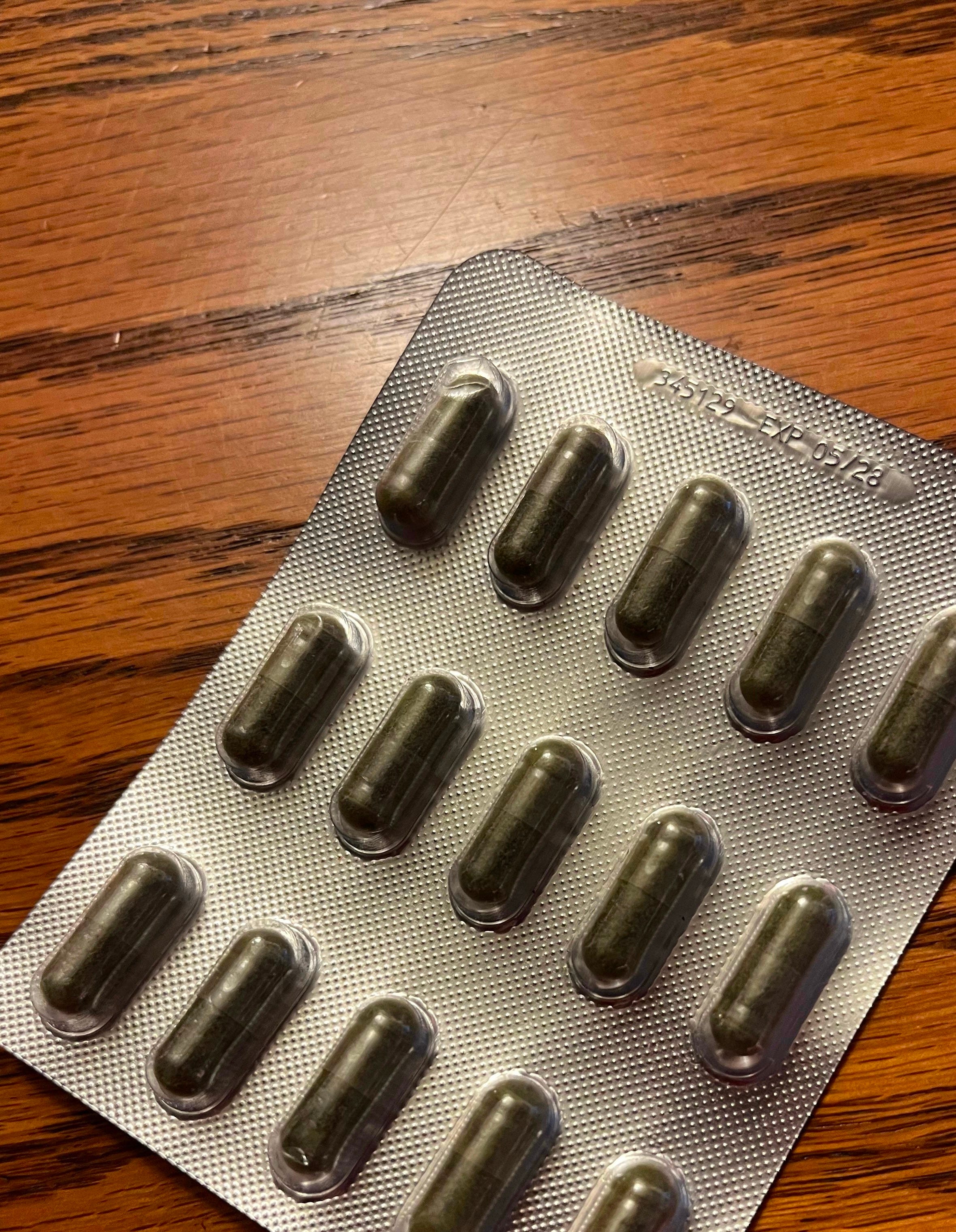
The risk of skipping to the product buying step first, is wasted money and time on the wrong solution, while effective treatment is delayed.
When you start working with someone to improve your sleep, expect their first step to be a full evaluation and determination of what the core sleep problem is. Of course we can’t always know immediately, in make take an iterative process to figure that out. It’s also highly likely for someone to have several sleep disorders, and several lifestyle factors that disrupt sleep too. If the sleep expert skips over evaluation and goes straight to selling products, that is a red flag. With over 60 sleep disorders (the number depends on which lexicon you use) the necessary first step is to figure out what is causing the problem in the first place.
Precision Use of Products
Once assessment is complete, products themselves will work much better when used in line with sleep and circadian science. One product I love and use regularly are blue-blocking glasses. The color of light from the sun changes as the day progresses. Morning light is rich in blue light. This blue light signals to our body that it is morning, time to start our day and get active. Throughout the day natural light gradually changes, until we get those lovely golden-red hues of sunset. That evening light signals to our body that night is approaching, time to slip into a more restful state and eventually to sleep. Being surrounded by blue light at night prevents that physiologic shift. Blue blocking glasses allow us to be in the built environment using our devices and LED lights, while signaling to our brain that night is approaching. Some considerations to use blue blockers well include:
- What color should the lenses be to truly block blue wavelengths? A deep orange (almost red) lens blocks blue light the most. The glasses should be specifically designed to block blue light.
- How long should they be worn before bed? The formal recommendation is to get only 10 lux of light that’s devoid of blue for the three hours before bed (4).
- Prescription glasses with an embedded blue filter, or wearing blue blockers constantly during the day, can be problematic as we don’t get that strong morning light signal to start our day.
Sleep Knowledge and Skills
Once you’ve got the assessment, the next step is to incorporate behaviors and lifestyle approaches that are known to improve sleep. That’s my focus here: Nature Cure, Circadian Rhythms, and Sleep Health. Some of the essential skills and understanding we will build in the coming months:
Nature Cure: seasonal changes to the hormones of sleep and wake, the impact of environmental factors on sleep, how sleep improves with camping, mental health improves with nature
Circadian Rhythms: your core body temperature: why it matters and what to do about it, teen sleep changes are circadian rhythm changes, shift work sleep health, precision use of melatonin
Sleep Health: use sleep to improve performance, sleep skills for travel, exactly how much sleep you do best with, do you need a sleep study, create an ideal bedroom, what are the 60+ sleep disorders
Although sleep skills alone can improve sleep, products alone won’t. Join in as we build sleep skills here at Be A Skilled Sleeper!
Sleep well and dream big,
Dr. Catherine Darley
PS. Our upcoming class is this Sunday, May 17 at 4pm EST. Join in by becoming a paid subscriber.
Leverage Light & Darkness to Strengthen Your Circadian Rhythm
Light and darkness exposure is foundational for setting our circadian rhythm. Yet in our modern lifestyle, we’re not getting the right signals. This has a huge impact on our well-being, in ways that are both immediately noticeable, and are more subtle yet compound over years. The good news is that we can design our light environment to create a robust circadian rhythm.
What you’ll leave with:
- A personalized plan to optimize your light and darkness exposure
- Understanding of why a strong circadian rhythm matters for every day, and long-term health
- Tips and tools to make the plan easy and actionable